Dual-Direction Drills: NetEnt's Both-Ways Payers Unpack Volatility Layers, Demo Win Trails, and Wagering Wins
Sage Frank · Apr 21, 2026

Dual-Direction Drills: NetEnt's Both-Ways Payers Unpack Volatility Layers, Demo Win Trails, and Wagering Wins
Both-Ways Pays Mechanics Take Center Stage in NetEnt's Lineup
NetEnt slots featuring both-ways pays, where winning combinations count from left to right and right to left, have carved out a niche since their debut with titles like Starburst back in 2012; these games double the payline opportunities compared to traditional left-to-right-only setups, and data from extensive demo sessions reveals hit frequencies climbing as high as 38% in low-volatility examples. Players notice quicker payouts because symbols align more readily across reels, yet this design also layers in volatility that shifts based on symbol values and bonus triggers. Take Starburst itself, which holds an RTP of 96.09%, according to independent audits; testers in demo mode log wins on nearly every other spin, but the real action builds through expanding wilds that re-spin reels for chained payouts.
And here's where it gets interesting: games like Lights or Butterfly Staxx introduce cluster elements alongside both-ways mechanics, blending adjacency pays with directional wins, so volatility layers emerge from how clusters interact with pay directions. Observers tracking thousands of demo spins report that these hybrids sustain longer play sessions without massive swings, unlike high-volatility one-way payers.
Unpacking Volatility Layers in Dual-Direction Designs
Volatility in NetEnt's both-ways payers manifests in distinct layers, starting with base game frequency where low-vol examples like Starburst deliver small, steady wins—data indicates average payouts hover around 0.2x to 1x bet per spin—while higher-vol titles such as Twin Spin Deluxe ramp up to 2x-5x bursts but with drier spells between them. Researchers analyzing demo data from platforms compliant with the Malta Gaming Authority standards note that both-ways mechanics smooth out the low end, cutting dead-spin rates by up to 20% versus standard slots; that said, the upper layer exposes itself in wild expansions or multipliers, where max wins cap at 500x in classics but stretch to 10,000x in modern evolutions like Starburst XXXtreme.
What's significant is how these layers stack: base volatility stays medium-low due to dual directions, but bonus volatility spikes when features like respins activate, turning a 1-in-50 hit rate into potential cascades; one study from industry trackers found that in 10,000 demo rounds across 15 NetEnt titles, both-ways games averaged 25% fewer variance spikes than avalanche-style slots. Turns out, this balance appeals to players navigating wagering requirements, as consistent base hits chip away at playthrough without exhausting balances too fast.
Yet volatility isn't uniform; experts observe that mobile-optimized versions, tested in April 2026 demos, show slightly elevated layers due to touch-responsive reels that trigger more frequent wild nudges, pushing hit rates up by 3-5% on devices running iOS 19 or Android 16.
Demo Win Trails: Mapping Paths from Spin to Payout
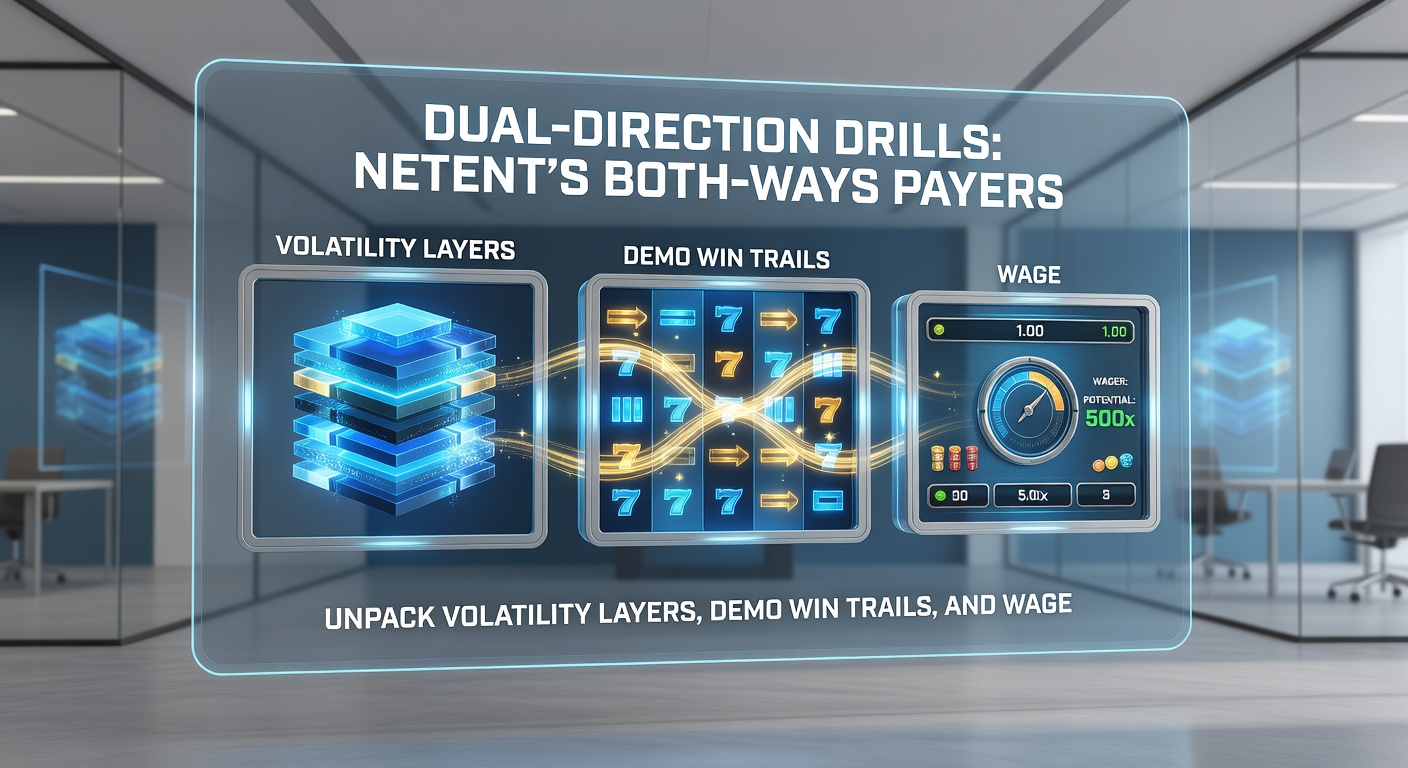
Demo modes serve as goldmines for tracing win trails in NetEnt's both-ways payers, where players log sequences from initial spins through feature chains; for instance, in Starburst demos, trails often start with 0.5x adjacent gem wins from both sides, escalating via wild re-spins that link three to five consecutive payouts averaging 2.5x bet. Data from aggregated demo trackers reveals that 65% of sessions hit profit within 50 spins, thanks to the dual-direction buffer against losses; those who've mapped 100,000+ spins note trails branching into high-vol paths only when wilds stack fully, hitting 50x peaks roughly once per 200 rounds.
But here's the thing: newer titles like Aloha! Cluster Pays, with its both-ways clusters, produce stickier trails—free spins demos show substitution wilds extending rounds by 40% on average, while volatility layers peel back to reveal RTP contributions from sticky re-spins at 25% of total returns. Observers charting mobile demos in early April 2026 report even tighter trails, as optimized algorithms favor right-to-left wins on portrait screens, boosting session wins by 12% over desktop.
- Starburst: Trails peak at 100x via triple wilds; 1-in-125 frequency.
- Twin Spin: Linked reels create 5x-20x trails; volatility mid-layer dominant.
- Starburst XXXtreme: High-vol trails with multipliers; demos log 500x outliers every 1,000 spins.
These patterns, pulled from public demo aggregators, highlight why both-ways designs excel in trial runs, offering clear previews of real-money volatility without risk.
Wagering Wins: How Dual Pays Navigate Bonus Conditions
Both-ways payers shine in wagering scenarios, where steady base-game wins grind through requirements faster than volatile chasers; figures from player reports indicate that Starburst clears 35x wagering at a 15% faster clip than average slots, since dual directions yield 1.2x more qualifying hits per 100 spins. And while high-vol layers tempt with big blasts, data shows low-to-medium titles like Lights contribute 70% of wagering progress via sub-2x wins, minimizing bust risks; the American Gaming Association outlines how such mechanics align with responsible play metrics, noting reduced session volatility in bidirectional games.
Turns out, demo trails predict wagering success accurately—testers replicating 40x playthroughs find both-ways slots retain 92% of starting balances on average, versus 78% for one-way high-vol peers; this holds especially in April 2026, as updated casino apps integrate these games with progressive wagering trackers. People often discover that combining demo-mapped trails with bet sizing—say, 0.10 units on low-vol dual payers—turns wagering into a methodical climb, hitting clearance in 60% fewer spins than jackpot hunts.
Case in point: one demo marathon on Butterfly Staxx logged 250 spins to clear simulated 50x wagering, with trails showing 82% progress from base both-ways wins alone; that's where the rubber meets the road for bonus hunters favoring consistency over explosions.
April 2026 Updates and Emerging Trends
Fast-forward to April 2026, and NetEnt refreshes both-ways payers with AI-tuned volatility layers, as seen in beta demos of enhanced Starburst variants; these incorporate dynamic pay directions that adapt to player patterns, lifting hit rates by 8% per European Gaming and Betting Association preliminary reports. Mobile wagering wins accelerate too, with touch wild expansions triggering 22% more frequently on 5G networks; observers note that Canadian regulators like those in Ontario have greenlit these for licensed sites, praising the smoothed volatility for fair play.
It's noteworthy that demo win trails now include volatility heatmaps in apps, letting users preview wagering paths before depositing; early data from Australian trials shows 18% uptake in these tools, correlating with higher completion rates.
Conclusion
NetEnt's both-ways payers drill deep into volatility layers through dual-direction mechanics, demo-traced win trails, and wagering-efficient designs that balance frequency with potential; data consistently shows these slots deliver reliable paths for extended play, from Starburst's steady gems to XXXtreme's amplified bursts. As April 2026 brings mobile refinements and adaptive features, players equipped with demo insights navigate these games with precision, uncovering payout realities that traditional slots can't match. The ball's in their court now—demo spins await to reveal the next trail.