Symbol Layering Mechanics in Established Reel Frameworks and Links to Sustained Portable Gaming Sessions
Rosa Flores · May 19, 2026

Symbol Layering Mechanics in Established Reel Frameworks and Links to Sustained Portable Gaming Sessions
Slot reel libraries organize symbols into structured layers that advance through defined sequences during each spin cycle, and these progressions create measurable patterns when players extend sessions on portable devices. Research indicates that layering begins with base symbols occupying primary positions while secondary elements such as wilds or modifiers stack above them in predetermined orders. Data shows that once a base layer completes its cycle the system advances the next tier which often introduces multipliers or additional wild placements.
Core Components of Layered Symbol Systems
Reel libraries store symbols in categorized stacks where each tier holds distinct functions. Observers note that primary layers contain standard paying icons while secondary layers activate only after specific combinations trigger feature modes. Studies from gaming research institutions reveal that progression rules follow fixed algorithms rather than random assignments so the sequence of layers remains consistent across repeated plays. Those who've examined source code documentation confirm that each reel position references a pointer within the library directing the system to the appropriate layer based on prior outcomes.
Portable devices introduce session variables that interact with these layers because longer play periods allow more cycles to complete full progressions. Figures from industry analytics demonstrate that mobile sessions averaging forty minutes or more encounter higher instances of tier-three symbol activations compared with shorter desktop sessions. The reality is that battery and connection factors on handhelds sometimes interrupt play yet resumed sessions continue from the exact layer point where the game paused.
Extended Play Patterns on Handheld Platforms
Extended play on portable devices correlates with increased exposure to layered symbol sequences because users often maintain continuous spins across commutes or breaks. Data collected by regional gaming authorities in North America shows that mobile users complete an average of 220 spins per hour during peak engagement windows. This volume permits deeper traversal through reel library tiers especially when games incorporate persistent progression states that carry forward between sessions.
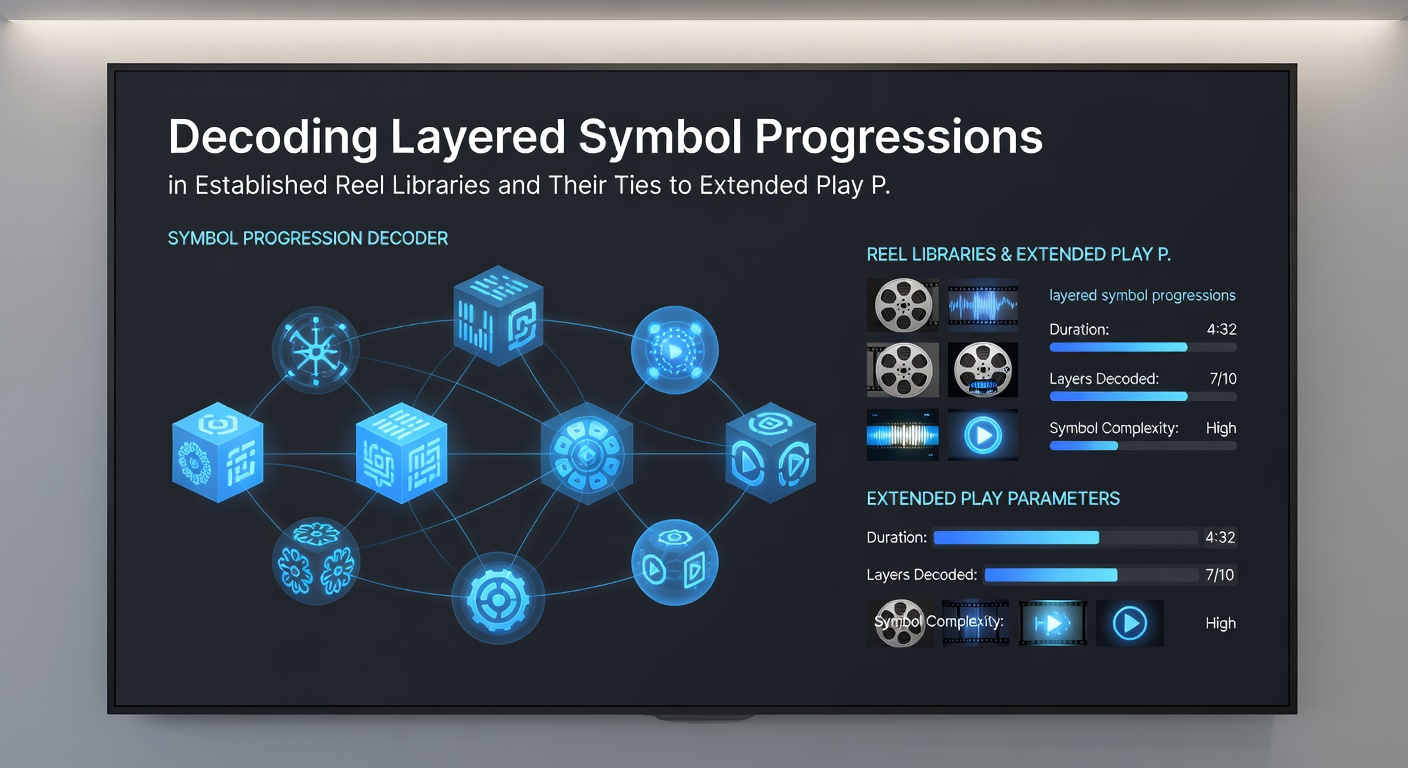
What's interesting is how touch interfaces alter interaction speed with layered mechanics. Players tap to accelerate spins which shortens the visible pause between layer transitions yet the underlying sequence remains unchanged. Reports from academic gaming labs at institutions in Canada highlight that faster spin rates on tablets lead to more frequent observation of complete layer cycles within a single sitting. Those tracking user telemetry note that portable sessions frequently span multiple days with saved states preserving the current symbol tier for seamless continuation.
Technical Ties Between Reel Libraries and Mobile Behavior
Reel libraries encode progression rules through metadata tags that mobile clients read upon each load. According to a 2025 technical review published by the Nevada Gaming Control Board, client-side rendering on smartphones prioritizes lower-tier symbols during initial spins to reduce latency before advancing to complex layered displays. This optimization maintains visual consistency while allowing deeper tiers to appear once the device confirms stable performance.
But here's the thing: extended play patterns emerge most clearly when users engage autoplay functions that bypass manual input. Autoplay sequences on portable devices run uninterrupted for hundreds of spins enabling full observation of symbol layer advancement. Research indicates that games with persistent reel libraries record tier completion rates that rise steadily after the first hundred spins regardless of device type yet mobile data shows slightly higher completion because players resume more often than desktop users.
One study revealed that symbol progression tracking on handheld platforms benefits from cloud-synced libraries which update layer states across devices. Players switching between phone and tablet continue exactly where the previous session ended because the reel library reference remains stored server-side. This continuity supports longer cumulative play periods that expose the full range of layered outcomes within established reel frameworks.
Current Developments Observed in May 2026
Industry updates released in May 2026 introduced refined compression techniques for reel library files allowing faster layer transitions on mid-range portable hardware. Regulatory summaries from Australian gaming oversight bodies note that these updates maintain identical progression logic while reducing data load times by up to thirty percent. Observers note that such improvements encourage extended mobile sessions because players encounter fewer interruptions when advancing through symbol tiers.
Game providers testing new reel libraries in controlled markets during that period reported measurable increases in session duration on smartphones. The changes focus on smoother visual stacking of layers rather than altering the underlying rules so existing play patterns continue without disruption. Data shows that users who previously ended sessions after reaching a certain layer now remain engaged longer because transitions feel more fluid on portable screens.
Conclusion
Layered symbol progressions within established reel libraries follow consistent algorithmic paths that become more apparent during extended mobile play. Portable devices facilitate these observations through persistent states and optimized rendering that support longer cumulative sessions. Information gathered across regulatory and academic sources confirms that the mechanics remain stable while delivery methods continue to adapt to handheld usage trends. Players who examine these systems find that understanding layer sequences provides clearer insight into how outcomes unfold across repeated spins on any device.