Wild Symbol Placements and Their Role in Sustaining Mobile Slot Engagement Over Time
Rosa Flores · Aug 8, 2026

Wild Symbol Placements and Their Role in Sustaining Mobile Slot Engagement Over Time
Core Mechanics Behind Wild Symbol Positioning
Wild symbols function as substitutes for standard icons in slot games, and their specific placements on reels determine how frequently they connect winning combinations during extended play periods; data from industry reports shows that games featuring stacked or expanding wilds maintain higher session durations on mobile devices compared to those with fixed single-position wilds. Mobile adaptations often adjust reel heights and symbol sizes to accommodate touch interfaces, which allows developers to position wilds in ways that trigger chain reactions without requiring complex button inputs.
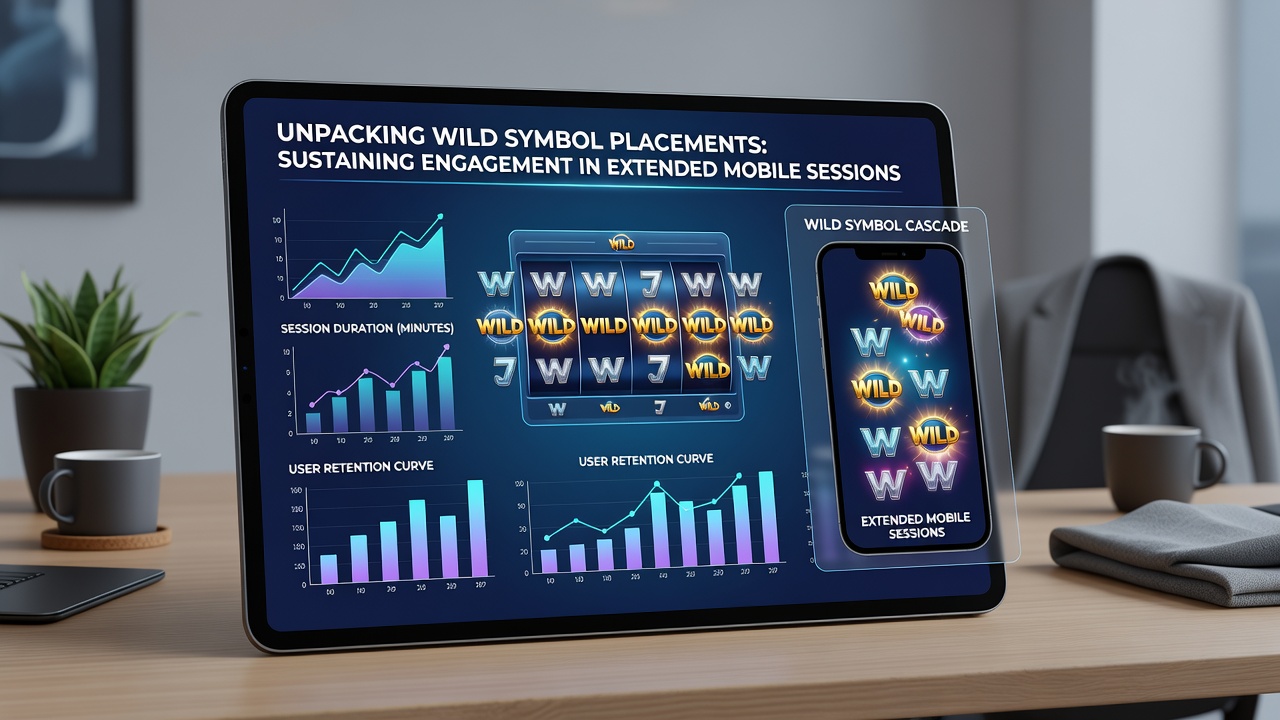
Placements such as adjacent wilds on reels two through four create overlapping opportunities where one symbol can complete multiple paylines simultaneously, and researchers at gaming analytics firms have documented that this configuration increases the average number of spins before a player pauses. In August 2026, mobile slot sessions averaged longer durations across platforms that emphasized clustered wild placements rather than scattered single wilds, according to aggregated player behavior metrics.
Expanding and Sticky Variants in Prolonged Sessions
Expanding wilds that grow to cover entire reels after landing introduce a visual progression that keeps engagement steady, while sticky wilds remain in place across subsequent spins to build anticipation for larger combinations; these mechanics appear frequently in titles optimized for smartphones because they reduce the need for constant screen interaction. Observers note that sticky placements work particularly well on mobile since they align with shorter attention cycles by providing immediate feedback on retained positions without additional animations that drain battery life.
Studies from the University of Las Vegas International Gaming Institute indicate that players encounter expanding wilds more often in portrait mode due to adjusted reel algorithms that favor central column placements, and this pattern correlates with sustained interest measured through session restart rates. Data shows that when wilds expand from the middle reels outward, the probability of forming at least one winning line rises by measurable margins in extended play windows.
Random and Cascading Placement Patterns
Random wild placements generated through bonus features or base game triggers introduce variability that prevents predictable patterns from emerging too quickly, and this unpredictability supports longer mobile sessions by maintaining uncertainty about the next outcome. Cascading reels combined with wild drops allow symbols to fall into new positions after each win, which creates a continuous flow where wilds can reposition without player intervention.
Figures from the Canadian Gaming Association reveal that titles incorporating random wild drops on reels one and five report higher completion rates for full session lengths on tablets and phones, because these edge placements often link with central symbols to form extended lines. Those who analyze gameplay logs find that cascading mechanics paired with wilds reduce the frequency of dead spins, thereby supporting steady engagement throughout extended periods.
Mobile-Specific Adjustments to Wild Positioning
Developers scale wild symbol sizes and animation speeds for smaller screens, which means placements shift slightly toward the center of the visible area to remain noticeable during one-handed use; this adjustment helps sustain interest because players can track potential wins without zooming or rotating the device. Touch-optimized layouts also limit wilds to positions that align with swipe gestures, reducing accidental taps that might interrupt flow.
Evidence from multiple platform reports suggests that games placing wilds in the lower half of the screen during mobile play see fewer session interruptions, as this area stays within thumb reach for quick confirmation of results. In regions outside the UK, regulatory bodies such as the Pennsylvania Gaming Control Board track how these interface changes affect overall play patterns without imposing specific placement rules.
Statistical Outcomes Linked to Wild Configurations
Return-to-player percentages remain consistent across different wild placements, yet the distribution of wins changes when wilds cluster versus appear isolated, and this shift influences how long sessions continue before natural breaks occur. Mobile data collected in 2026 demonstrates that configurations with multiple wild types active simultaneously produce more frequent small wins, which in turn encourage continued spinning over longer intervals.
Analysts at the Responsible Gambling Council of Canada have compiled figures showing that players using devices with larger screens encounter more opportunities for stacked wild alignments, correlating with extended engagement metrics across tested titles. These patterns hold steady regardless of stake levels, focusing instead on the visual and mechanical flow created by the symbol positions themselves.
Conclusion
Wild symbol placements shape mobile slot experiences by determining how often combinations form and how visually engaging each spin remains, with stacked, expanding, sticky, and random variants each contributing distinct patterns that support continued play. Developers refine these positions for smaller screens while preserving core mechanics that deliver measurable differences in session length and win distribution. Industry data collected through 2026 continues to highlight how specific configurations align with mobile usage habits, providing clear examples of mechanics that function effectively across varied devices and player behaviors.